The Captain's Story
Watch the Story
Captain Andrew Parker Jr. seated by a window

thecaptainsstory.com

The Captain's Story

A story of family, resilience, care and community.

Intro

Meet Captain Andrew Parker Jr.

Captain Andrew Parker Jr.
Former Marine Corps Aviator, USMC

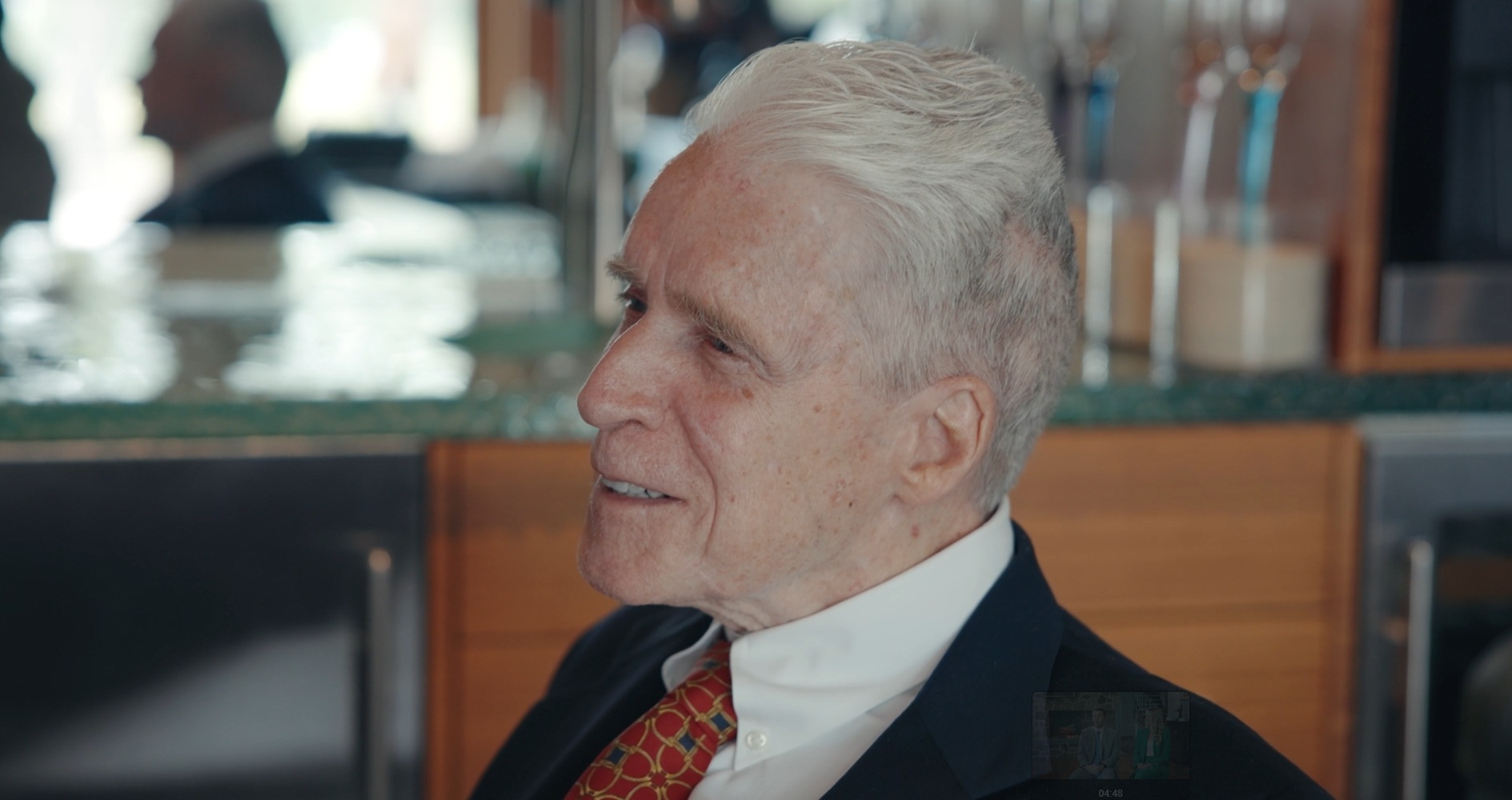
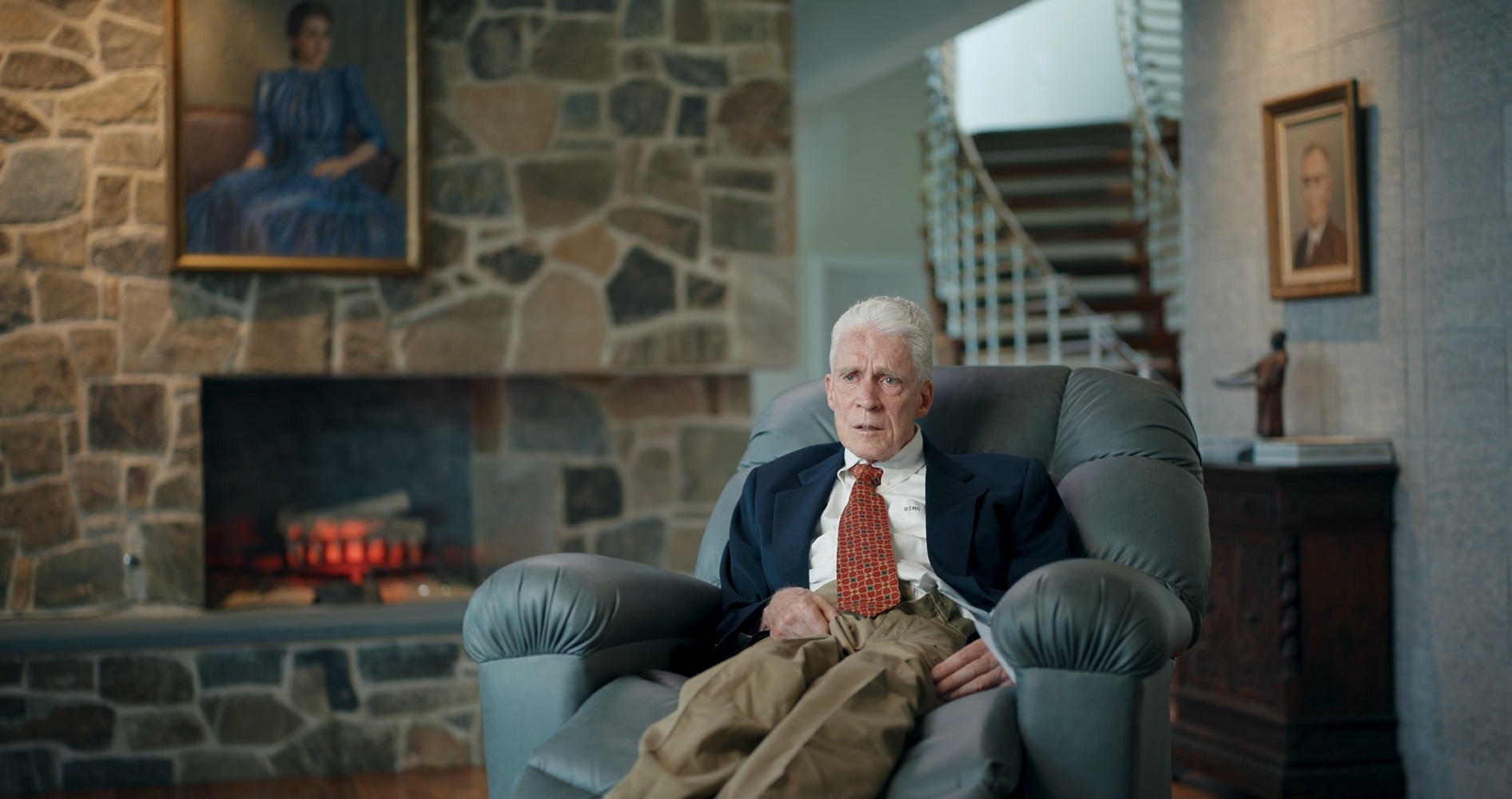
Captain Andrew Parker Jr. is a former Marine Corps aviator who served for 10 years and flew in Vietnam in 1967 and 1968. Today, he is surrounded by family, friends and a care team as he continues his recovery from a serious fall.

But this isn't simply a story about recovery.

It is about family, the importance of staying connected to the people and community you love, and what it means to care for someone who has spent a lifetime caring for others.

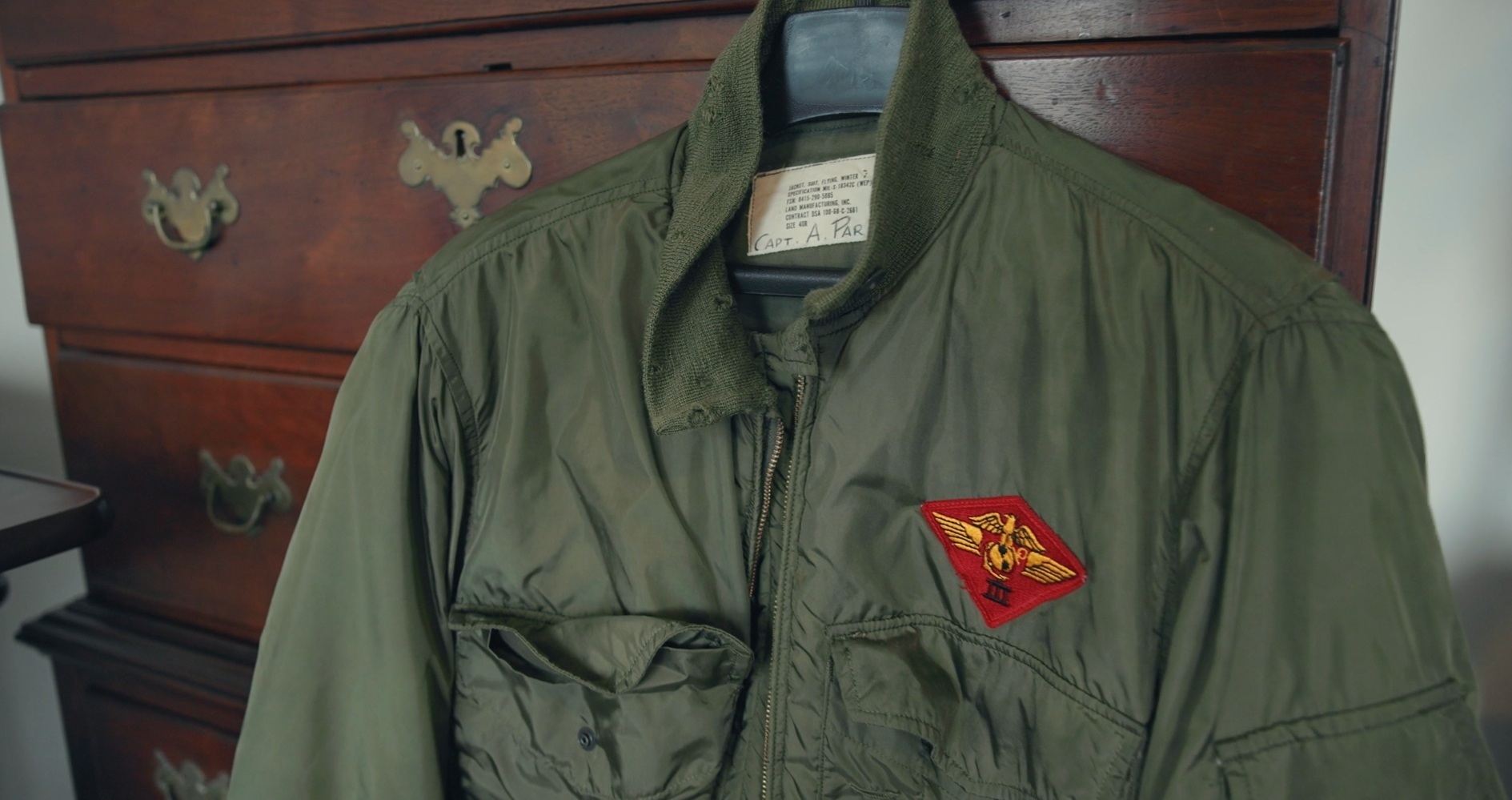
The Captain's Marine Corps flight jacket with squadron patch
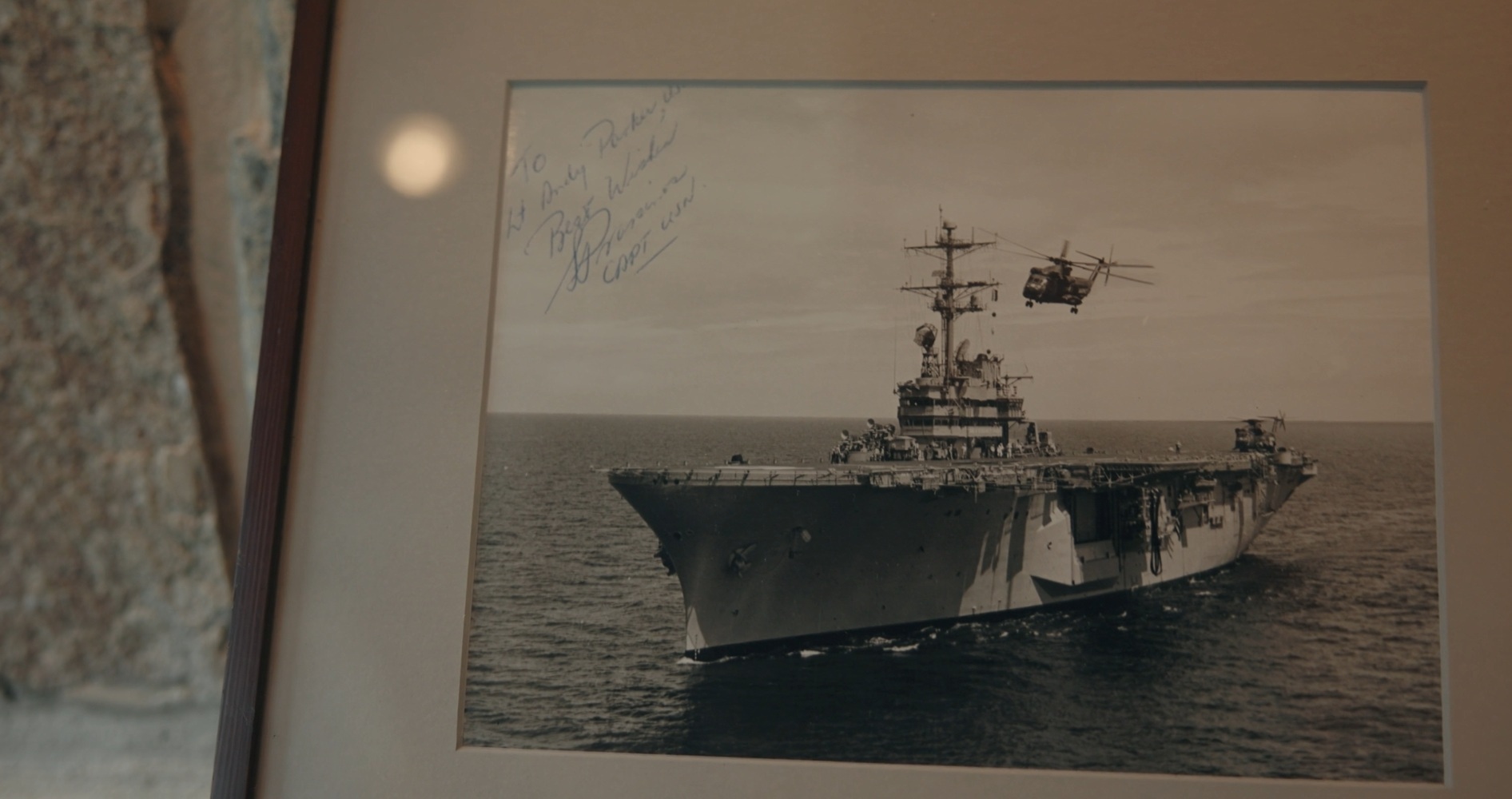
Signed photograph of a Navy carrier with a helicopter overhead
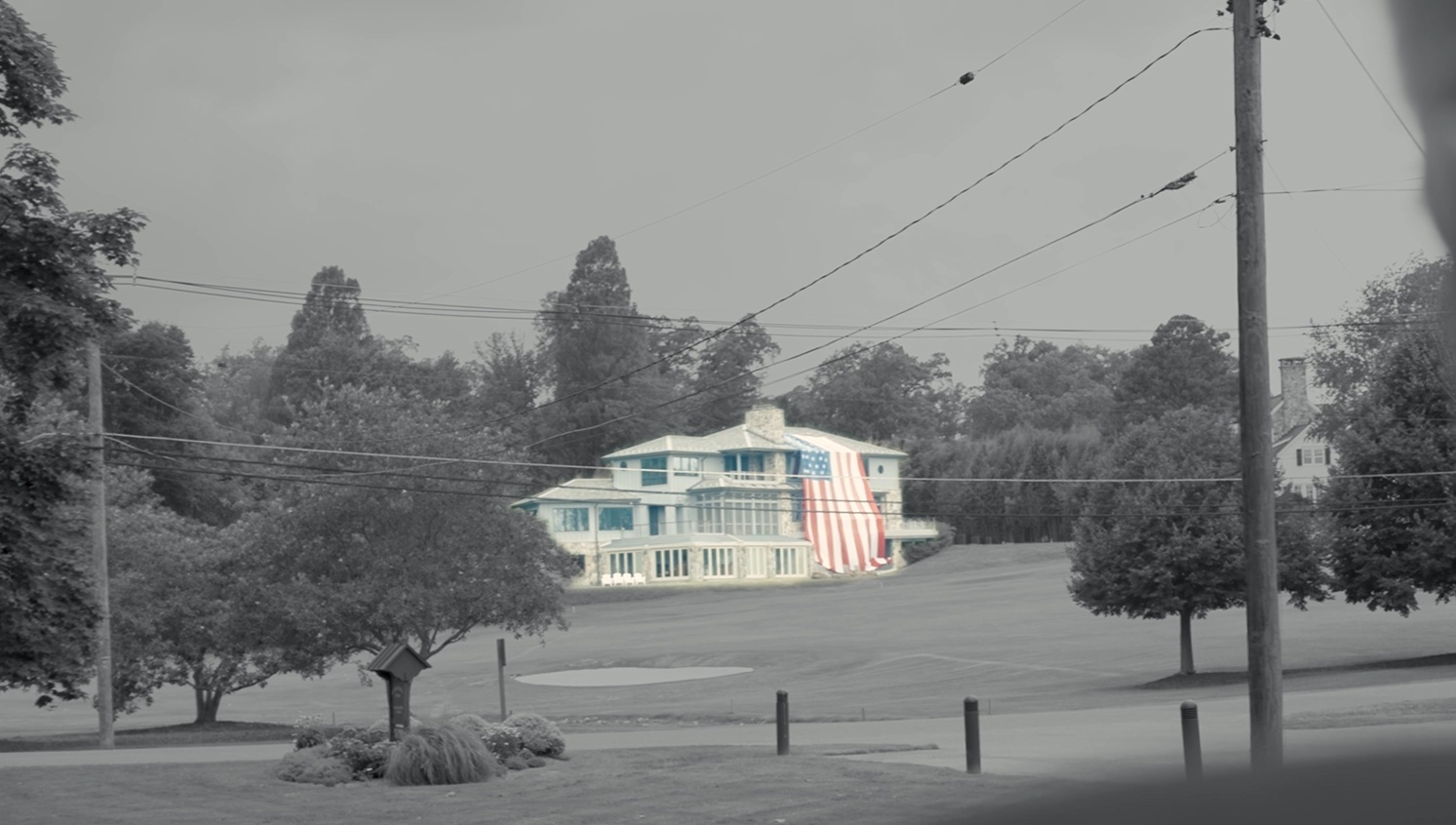
A clubhouse with a large American flag draped from the roof

Captain Andrew Parker Jr. in profile, smiling warmly

The Story

A Life of Service. A Lifetime of Family.

The Captain has been part of the Lussi family for decades. Tyler describes him as being like a grandfather to her, and Jeanette recalls knowing him throughout her life.

His military career, his family history, his resilience and his recovery all come together in a story about what happens when a family chooses to be there for one another.


The Bronze

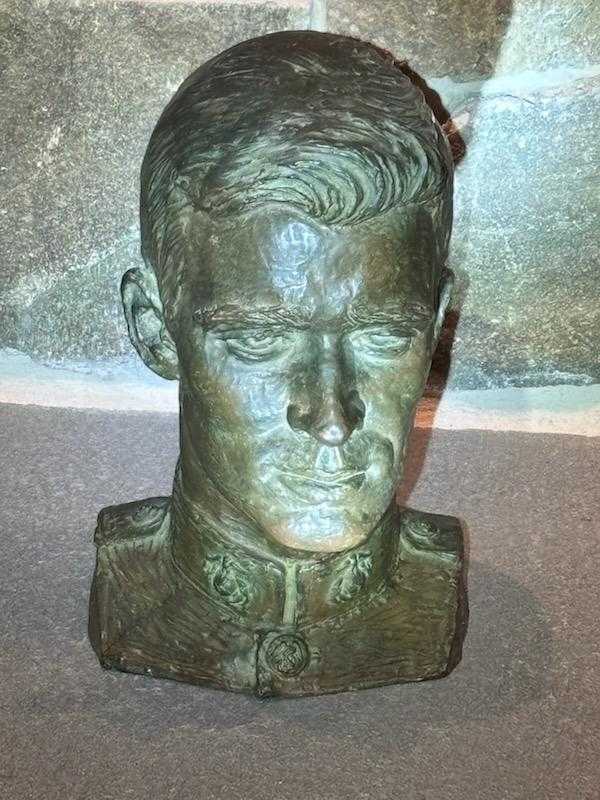
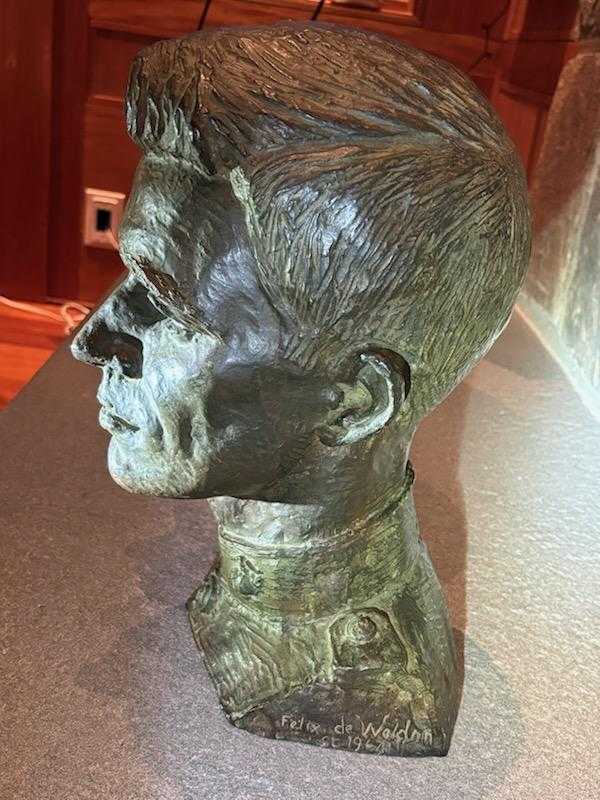
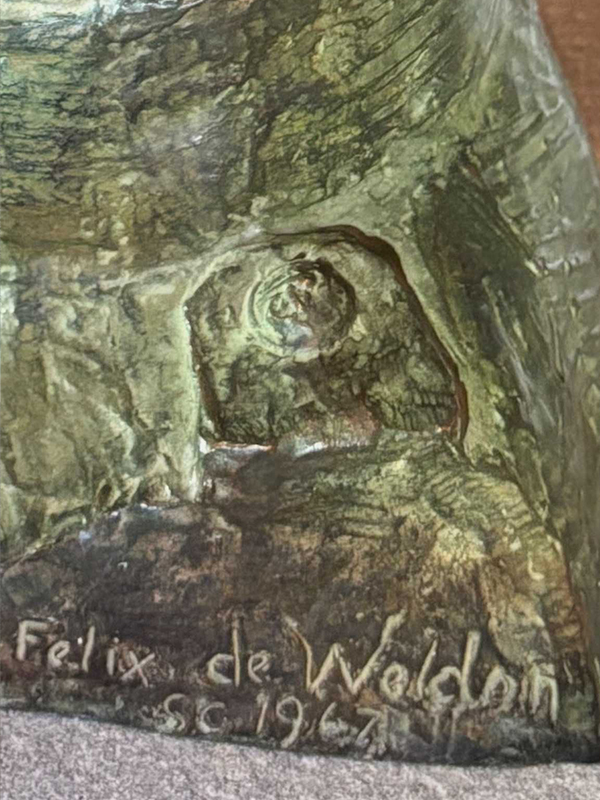
Why did Felix de Weldon, who sculpted the 100 ton Iwo Jima Memorial of 5 US Marines and 1 Navy Corpsman raising the American Flag on Mount Suribachi during the battle of Iwo Jima during World War II, sculpt Captain Parker in 1967?

Bronze bust of Captain Parker, front viewBronze bust of Captain Parker, side profileSignature carved into the bronze: Felix de Weldon, sc. 1967

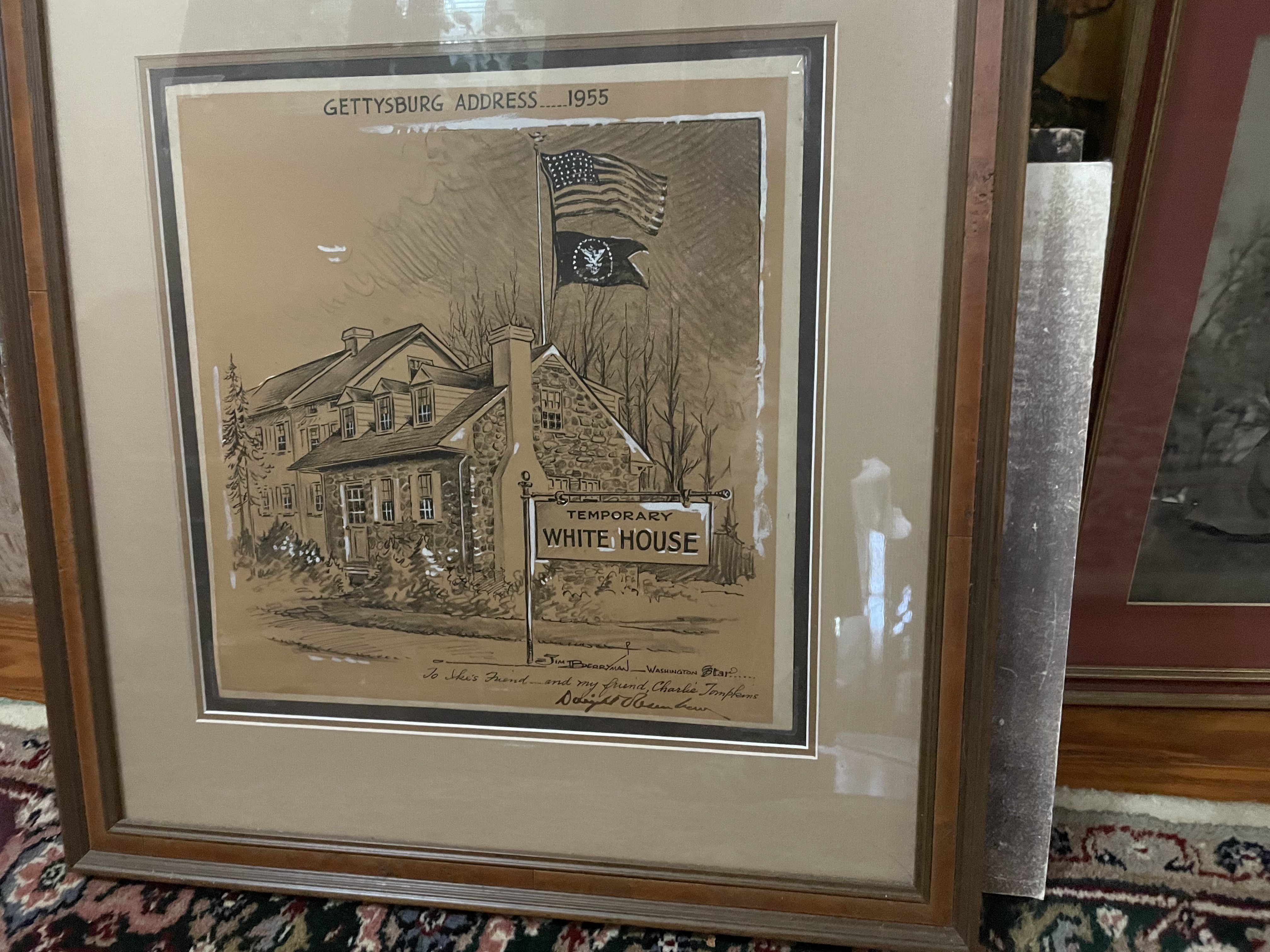
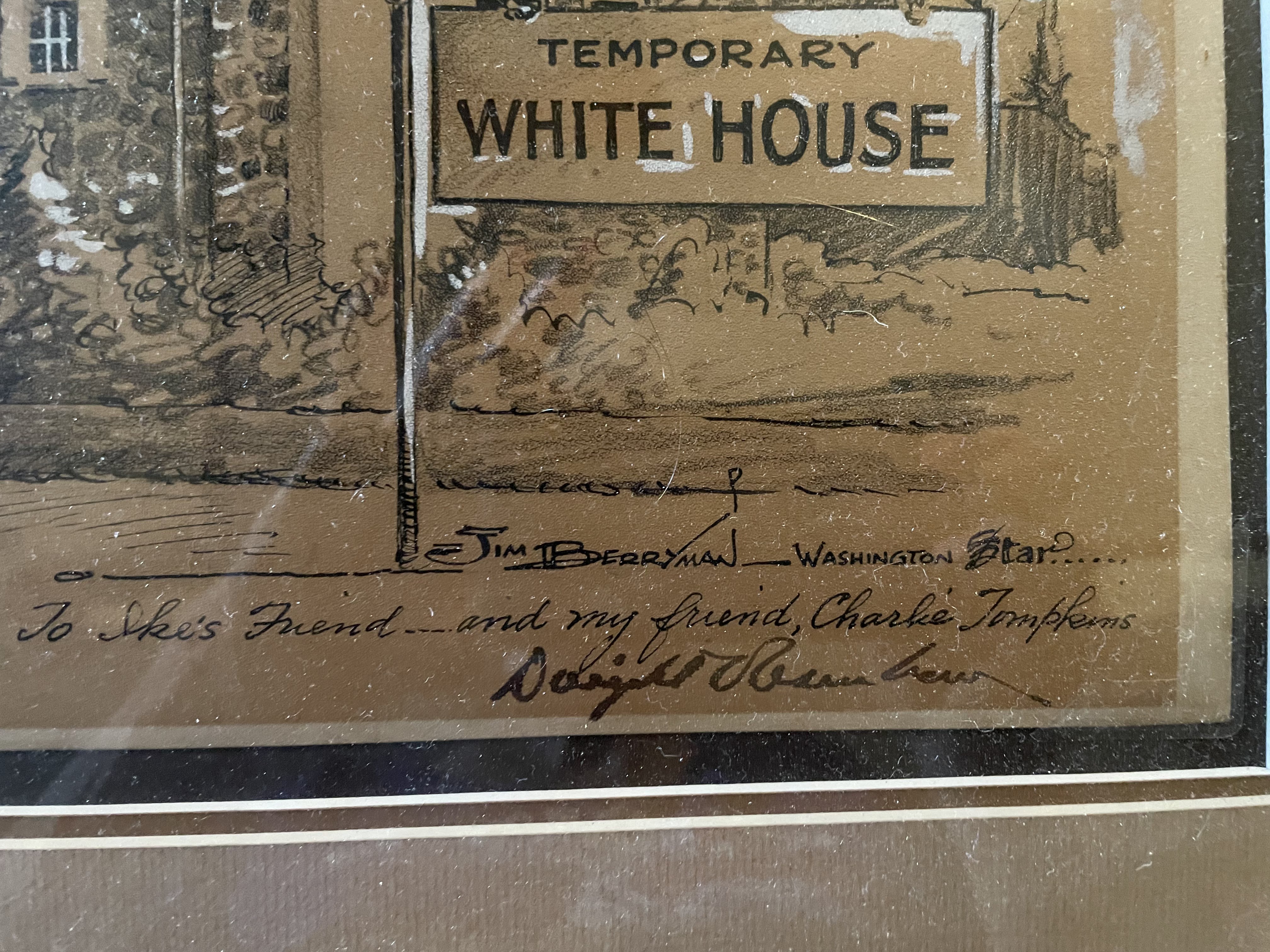
Framed Jim Berryman drawing of the Gettysburg Address 'Temporary White House', 1955Close-up of the inscription: To Ike's friend — and my friend, Charlie Tompkins — Dwight D. Eisenhower

The Inscription

Why did President Dwight D. Eisenhower personally inscribe a Jim Berryman drawing of the Gettysburg "Temporary White House" — "To Ike's friend — and my friend, Charlie Tompkins"?


The Plaque

The East Wing of the White House and a Hidden History of Protection

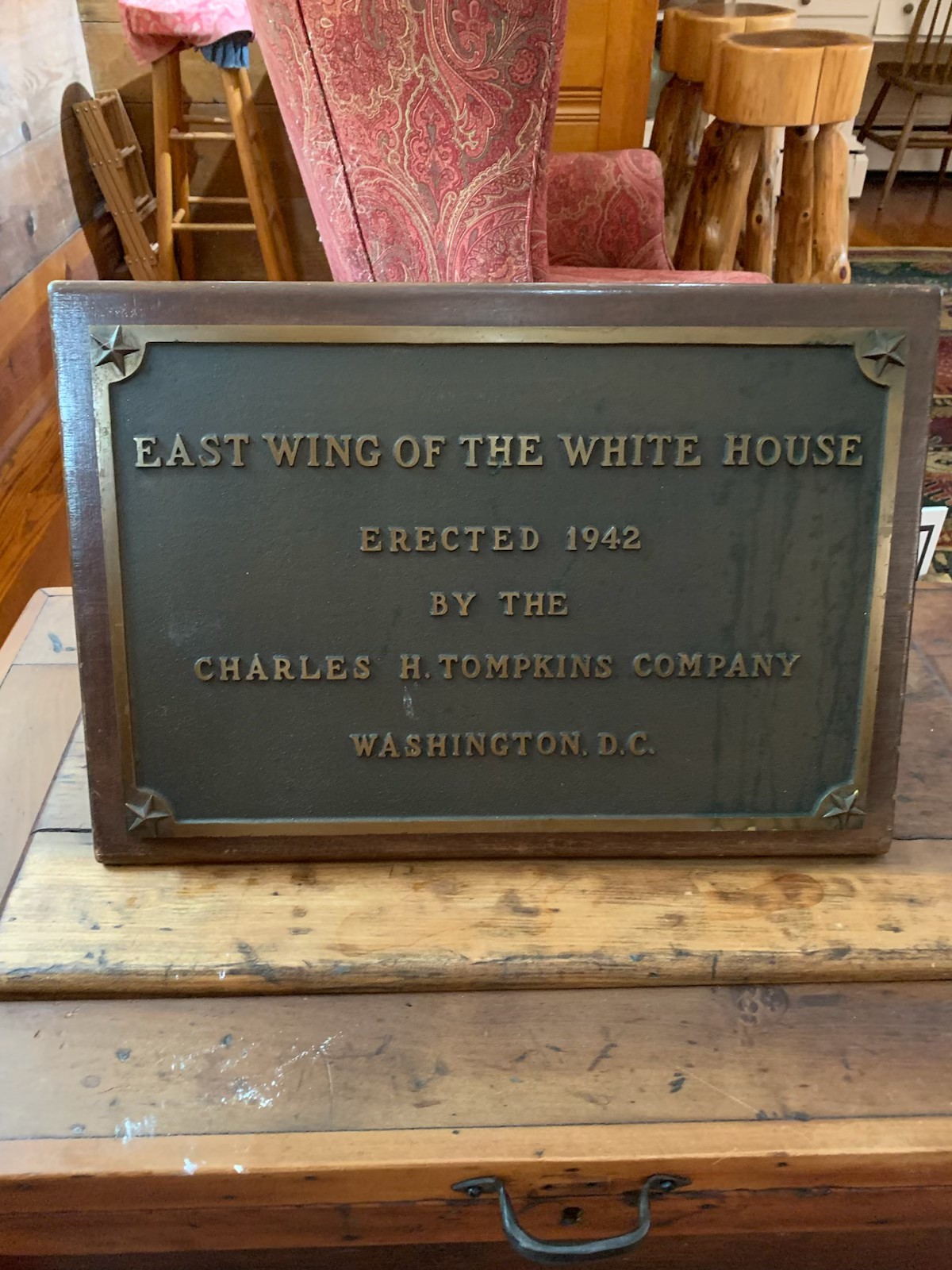
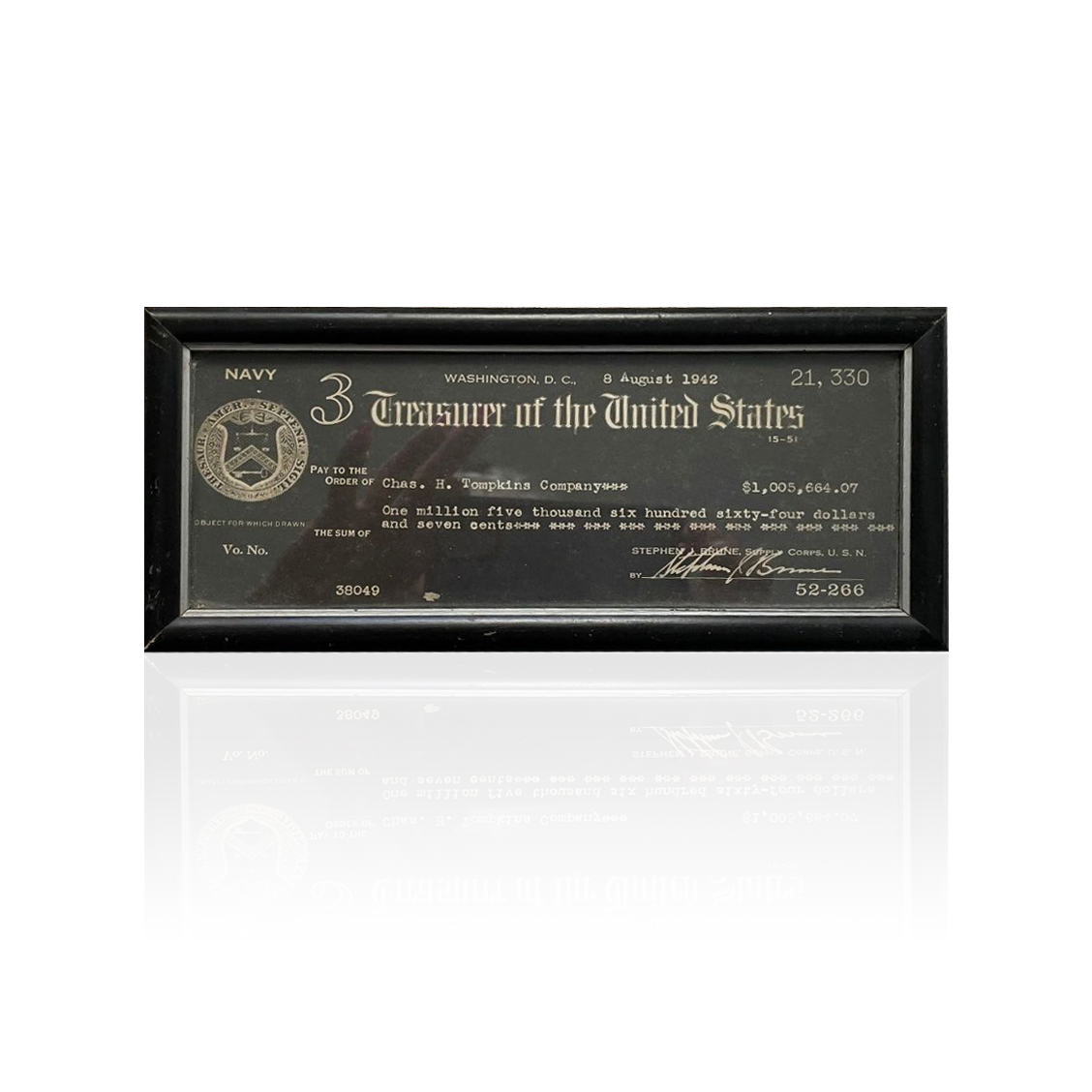
Bronze plaque: East Wing of the White House, erected 1942 by the Charles H. Tompkins Company, Washington, D.C.Framed 1942 U.S. Treasury check for $1,005,664.07 payable to the Charles H. Tompkins Company

Following the attack on Pearl Harbor in December 1941, President Franklin D. Roosevelt ordered the secret construction of an underground bomb shelter at the White House for national security. The 1942 expansion of the White House by adding the East Wing by Captain Parker's family, the Charles H. Tompkins Construction Company, was specifically designed to conceal and cover the construction of a 1,600 square foot bomb shelter, 20' deep under the new White House East Wing known as the Presidential Emergency Operations Center (PEOC). The PEOC could shelter 100 people, at a cost of $1,005,664.07 paid to the Chas H. Tompkins Company in August 1942 (see a copy of the check).

Following 9/11, President Barack Obama secretly ordered the construction of a bomb shelter, 60' deep under the White House complex that can withstand a nuclear blast and house dozens of people for multiple weeks.

In 2025-2026, President Donald J. Trump ordered the construction of an above grade 90,000 sf ballistic missile proof and drone proof structure (the Ballroom) and a 132,000 sf below grade military complex bomb shelter with medical facilities reaching 6 floors down into the bedrock below the White House's new East Wing. The Senate Judiciary Committee approved $1 billion in 2026 for this military complex, and $400 million was donated by private individuals for the Ballroom décor. The below grade structure can withstand a nuclear blast. Using 16 sf per person and supplies, this combined above and below grade military complex bomb shelter with medical facilities can provide refuge from an attack for almost 14,000 people — and safe refuge for up to 22,000 people if 10 sf per person and supplies is used. Up to 1,000 people can attend a State Dinner in the Ballroom seated around tables, and 10,000 people can attend a community function sitting theater-style and all be protected.
Charles H. Tompkins Company — 1949

The Tompkins Legacy

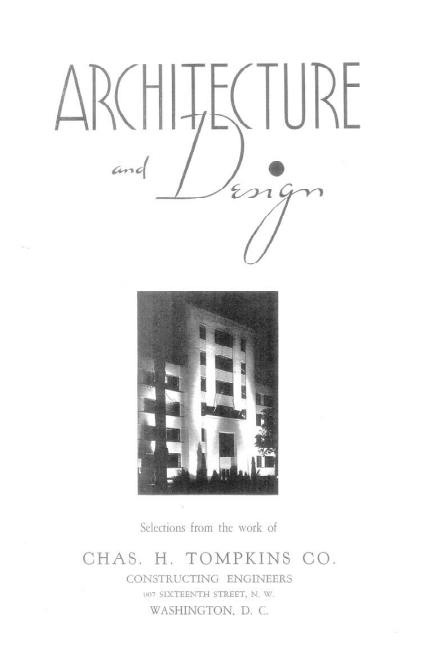
Explore the collection of photographs, designs and projects that tell the story of the Tompkins legacy from 1911 to 1949.

View the book
Cover of the Charles H. Tompkins Company book: Architecture and Design — Selections from the work of Chas. H. Tompkins Co.

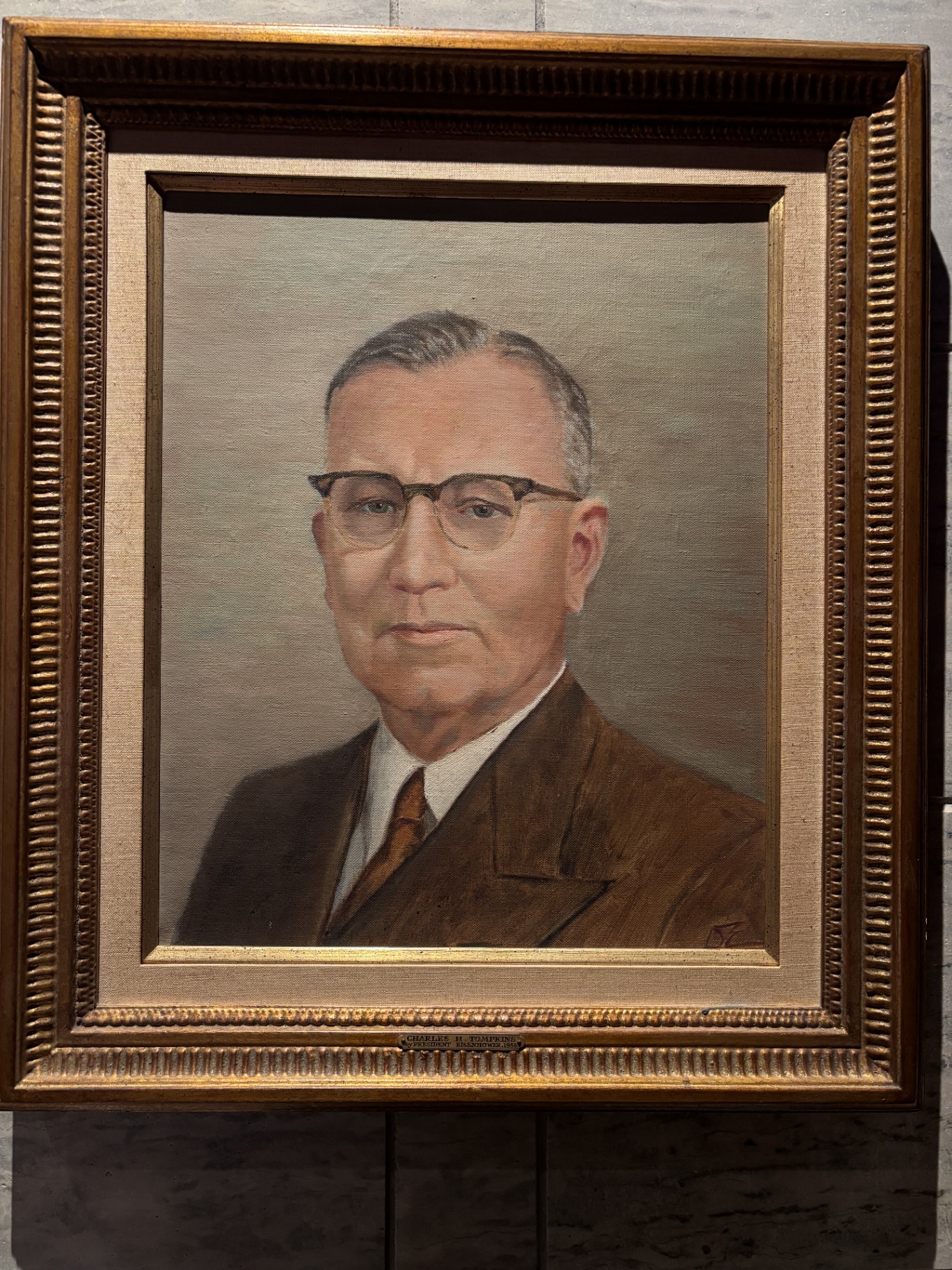
Portrait of Charles H. Tompkins, Captain Parker's grandfather, painted by President Dwight D. Eisenhower

The Portrait

Captain Parker’s grandfather’s portrait painted by President Eisenhower.

These two men and their families were friends and neighbors since the 1920s. The Charles H. Tompkins Company constructed more than 320 Washington landmark buildings from 1911 to 1961, when the company was sold.

These included a renovation of the White House Executive Offices in 1930, the Memorial to the Heroic Women of World War (American Red Cross Headquarters), United States Court House for the District of Colombia, Restoration of Blair Lee House, The Capel, Arlington National Cemetery, many of the buildings at Georgetown University, George Washington University and American University, the Government Printing Office Warehouse, The Reflecting Pool, the Central Intelligence Agency, the District of Columbia National Guard Armory, the Dalecarlia Filter Plant, the US Naval Ordnance Laboratory, Marine Corps Barracks and Schools at Quantico, Bogue Field Marine Air Station, the National Security Agency, National Airport, the David Taylor Model Basin, the Washington Post, Pentagon City, the Universal Buildings and six dams nationally and internationally.


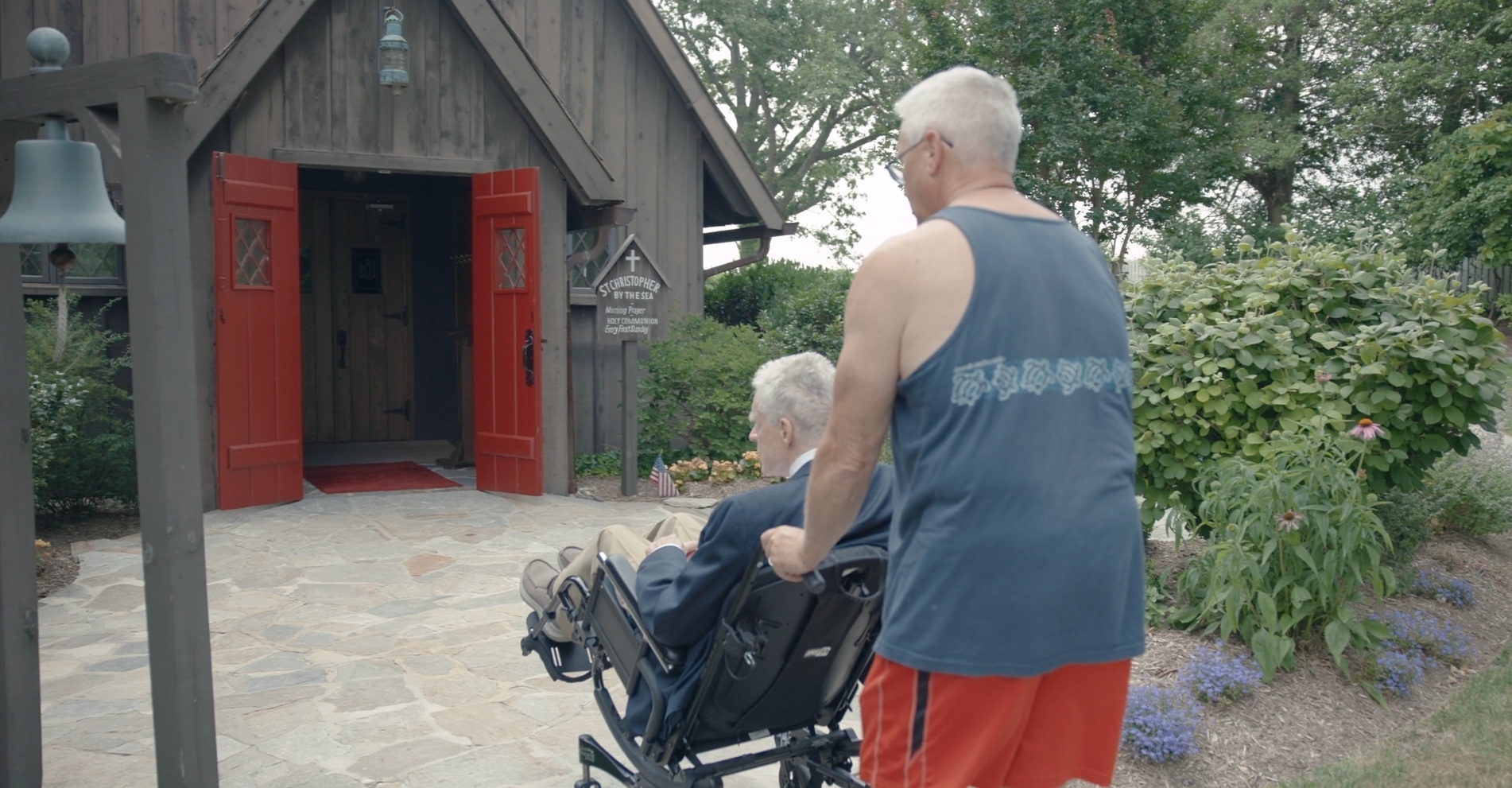
A caregiver pushing an older man in a wheelchair outdoors on a paved path near a golf course

Care That Feels Like Family

More Than Care. Community.

Having someone you love close by, surrounded by people who know them, care about them and treat them like family.

Dr. Miles Varn describes the environment as a place where family members visit, children come by, and residents are known personally.

The Videos

Watch the Captain's Story

Four chapters available now — and a fifth short film, "The Story at a Glance," is on its way. Choose one to begin — each stands on its own.

Get to know the Captain, his history, his personality and the people who have known him throughout his life.

Everyone deserves to feel at home.

The Captain's story is a reminder that care can be about more than assistance. It can be about dignity, connection, family and helping someone continue to live a meaningful life.

Watch the videos and meet the Captain